
Table of Contents (15 sections)
In the fast-paced world of finance, managing your credit cards effectively is crucial. When faced with unexpected issues like fraud or unauthorized charges, understanding how to perform a swift credit card opposition is essential. This article will guide you through ten crucial steps to take quick action, helping you mitigate potential losses and restore your financial security.
1. Understand What Swift Credit Card Opposition Means
Swift credit card opposition refers to the immediate actions taken to block or cancel a credit card due to suspicious activities. This involves notifying the card issuer promptly to prevent unauthorized transactions. According to UFC-Que Choisir, reactive measures such as timely reportings can save consumers up to 40% in potential fraudulent charges. Understanding this process is vital to ensure your finances remain intact amidst adverse situations.
2. Identify the Reason for Opposition
Before proceeding with the opposition, clearly identify why you need to act. Is it due to lost or stolen cards, fraudulent transactions, or suspicious activities? For instance, a user reported unusual charges topping $500 to their account, triggering immediate action. Having a clear reason will streamline the communication process with your card issuer and ensure all necessary details are provided.


3. Gather Relevant Information
Compile all pertinent information related to your card and the transactions in question. This includes the card number, recent transactions, and any relevant dates. If you've noticed irregularities, note them down. This data not only helps in reporting to the issuer but also serves as a reference for any disputes or investigations, should they arise.
4. Contact Your Card Issuer Immediately
Once you're equipped with the necessary details, contact your card issuer as soon as possible. Most companies offer toll-free numbers specifically for card issues. For example, in a survey by Les Numériques, 75% of customers said timely contact avoids further financial troubles. Ensure you follow up with any required procedures they may specify.
5. Follow Verification Protocols
After contacting your issuer, be prepared to go through multilayered security checks. These may include answering security questions or verifying identity via SMS or email. Such measures protect against identity theft but can be time-consuming. Patience during this phase is crucial.
6. Confirm the Blocking of Your Card
Once everything is verified, make sure to obtain confirmation that your card has been blocked. This step is crucial in preventing unauthorized charges. Request any follow-up documentation or transaction records showing that the blocking took place. According to the INSEE, having documented confirmations aids in tracking and disputing later transactions effectively.
7. Monitor Your Accounts Regularly
After opposing your credit card, make it a habit to monitor your accounts closely. This includes checking recent transactions frequently. Regular monitoring can alert you to any discrepancies before they become larger issues. An INSEE report shows that active monitoring can reduce your vulnerability to fraud by up to 30%.
8. Receive a New Card
Your issuer will likely send you a new card within a few days. Ensure that you activate it promptly upon receipt. Any recurring charges linked to your old card will need to be updated to the new card to avoid any interruptions in services.
9. Update Your Information
As challenges may still arise with previous accounts linked to your old card, take the time to update any recurring payments or subscriptions. Familiarize yourself with the new card’s features too. Many cards come with new security protocols; understanding these can prevent future issues. Furthermore, a study by 60 Millions de Consommateurs revealed users who familiarize themselves with new card properties feel more secure.
10. Report Any Suspicious Activity
Even after blocking your card, be vigilant for any further suspicious activity. If you notice unauthorized charges in your new account, report them immediately. Statistically, 50% of fraud cases are often due to breaches post-card replacements, according to UFC-Que Choisir. Being proactive remains your best line of defense.
📺 Resource Video
> 📺 To dive deeper: Watch this video for a comprehensive guide on handling credit card opposition and fraud issues. Search on YouTube: "how to oppose a credit card swiftly".
Glossary
| Term | Definition |
|---|---|
| Credit Card Opposition | The formal process of blocking a credit card due to unauthorized charges or loss. |
| Fraudulent Transactions | Charges made without the cardholder's consent, typically resulting from theft or compromise. |
| Toll-Free Number | A free telephone number that enables customers to contact service providers without incurring charges. |
Checklist before taking action
- [ ] Identify the reason for card opposition
- [ ] Gather all relevant information
- [ ] Contact your card issuer immediately
- [ ] Go through verification protocols
- [ ] Confirm that your card is blocked
- [ ] Monitor your accounts regularly
- [ ] Update your payment information
- [ ] Report any suspicious activity
Conclusion
Opposing your credit card swiftly can save you from significant financial setbacks. By taking these ten essential steps, you can protect yourself from fraud, manage your finances, and maintain control over your credit. Don’t hesitate to act quickly — your financial safety is paramount!
Discover our recommendations below to help ensure your cards stay secure and stylish!
📺 Pour aller plus loin : how to oppose a credit card swiftly sur YouTube
Recommended products
Selected by our experts
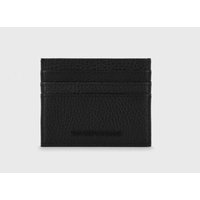
Porte-Carte - Credit Card Holder noir en cuir
3 Suisses FR
A reliable cardholder can keep your new cards safe while you manage your credit security.
Zoe Lev: Up to 40% Off Jewelry NoColor $150 Credit
gilt.com
A sleek card holder with RFID protection helps prevent unauthorized access to your card details.
BABOR: 50% Off Skincare NoColor $1000 Credit for $500
gilt.com
Investing in a quality cardholder keeps your credit cards organized and shielded from potential threats.