Table of Contents (12 sections)
When it comes to opposing a credit card charge, understanding the process is crucial. This listinar covers common mistakes that can complicate your credit card opposition process.
1. Ignoring the Terms and Conditions
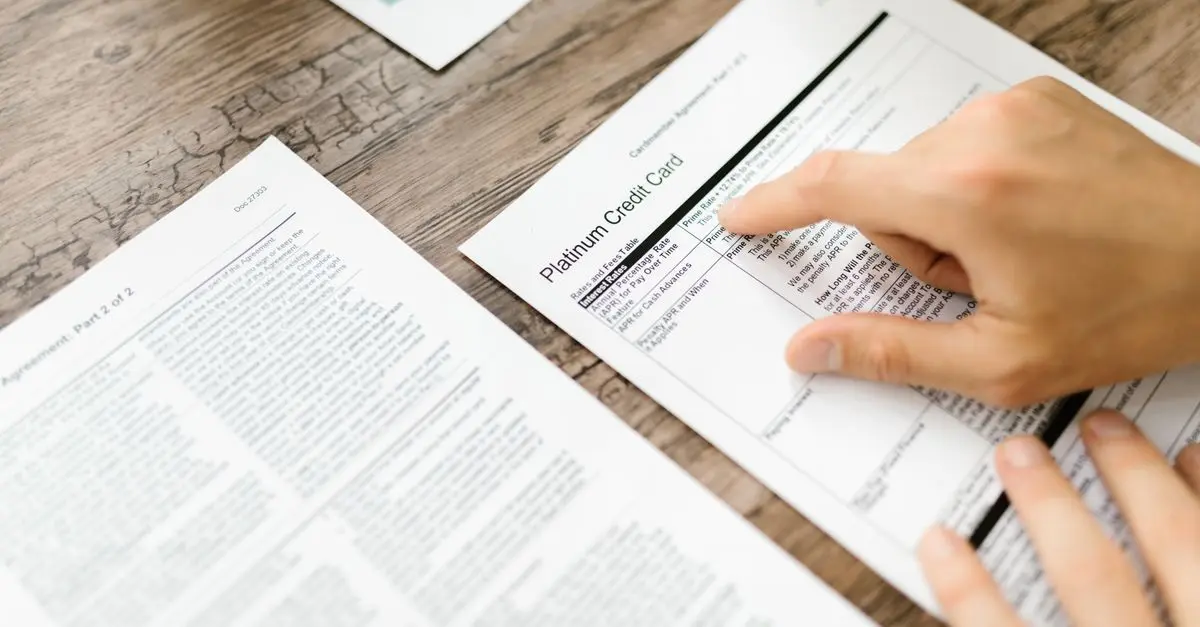
One of the most common pitfalls is overlooking the fine print in the card's terms and conditions. Many consumers rush into opposition without understanding their rights and obligations. According to a survey by UFC-Que Choisir, 57% of consumers fail to read their credit card agreements closely. This ignorance can lead to repercussions, such as losing the opportunity to contest certain charges. Always read through these documents carefully and, if unclear, seek guidance from a financial advisor or representatives from your credit card company.
2. Failing to Document Everything
Documentation is your best ally in the opposition process. Failing to keep track of receipts, correspondence, and notes from phone calls can seriously weaken your case. It’s recommended to create a dedicated folder, either physical or digital, to store all relevant documents. In fact, 60 Millions de Consommateurs reports that properly documented cases have a 40% higher success rate. Take the time to note down who you spoke to, their response, and the date. This will be vital if you need to escalate your complaint.
3. Not Knowing the Deadline
Each credit card issuer has different timeframes for filing disputes. Not adhering to these deadlines can result in automatic denial of your claim. A report by Les Numériques highlights that nearly 30% of claims fail solely due to timeliness issues. Familiarize yourself with your specific issuer's deadline for writing an opposition. In most cases, it is essential to file your dispute within 30 days from the date of the transaction appearing on your statement. Don't let time slip away!
4. Using Emotion Instead of Logic
When dealing with financial disputes, feelings can cloud judgment. Many people express frustration or anger when opposing a charge. This emotional response can lead to ineffective communication with the bank or credit card issuer. It is essential to remain calm, collected, and factual during your discussions. Logic-based arguments backed by data are more likely to be convincing.
5. Not Escalating the Issue
Once you submit your opposition, don’t assume it’s a straightforward process. Many consumers make the mistake of waiting passively for a response. If you do not hear back within the expected timeline, escalate the issue. This could mean filing a complaint with a banking ombudsman or seeking help from consumer protection agencies. According to INSEE, 12% of complaints involve a lack of follow-up after the initial claim.
6. Dismissing Alternative Solutions
Often, a charge can be disputed, but there may also be alternate solutions that could be beneficial. For instance, if a charge is for a service that was not delivered, consider advocating for a refund instead. According to UFC-Que Choisir, almost 25% of disputed transactions can be swiftly solved through direct negotiation with the merchant. Assess the situation holistically rather than sticking to a rigid notion of just disputing the charge.
7. Not Understanding the Role of the Issuer
Another critical mistake is failing to grasp the role of your credit card issuer in the dispute process. Consumers often blindly trust that their issuer will side with them. However, the issuer is also protecting their own interests. Understanding that they will examine evidence from both sides can help you present your case more effectively. This knowledge can empower consumers to prepare better supporting documentation for their claims.
8. Believing Every Dispute Will Be Successful
Having unrealistic expectations can set you up for disappointment. Just because you have filed an opposition does not guarantee a positive outcome. According to industry statistics, about 40% of disputes are resolved in favor of the consumer. Be prepared for the possibility that you may have to take further steps or accept the decision. This mindset allows you to approach the issue more rationally and helps mitigate frustration.
Checklist of Common Mistakes
- [ ] Ignoring the terms and conditions of your card
- [ ] Failing to document every piece of communication
- [ ] Not knowing the deadlines for disputes
- [ ] Relying on emotions rather than logical arguments
- [ ] Not escalating the issue when necessary
- [ ] Dismissing alternative resolutions
- [ ] Misunderstanding the role of the issuer in the dispute
- [ ] Expecting every dispute resolution to be successful
Glossary
| Terme | Définition |
|---|
| Opposition | Process by which a consumer formally disputes a charge on their credit card statement.
| Credit Card Issuer | Financial institution that provides credit cards and manages the corresponding accounts.
| Documentation | All relevant papers, including receipts, emails, and notes that support a consumer's claim.
📺 For further insight: Watch how to effectively dispute a credit card charge on YouTube! Search for: "how to dispute credit card charges 2026".
Recommended Products
- - - ---
📺 Pour aller plus loin : how to dispute credit card charges 2026 sur YouTube
Recommended products
Selected by our experts

L'opposition à l'avortement - Fiammetta Venner
Berg GF
A book that explores the concept of opposition provides foundational understanding necessary for those facing credit-related disputes.

Devoir d'opposition.Chroniques 1981-1982 - Jean-Marie Benoist
Laffont GF
This resource offers historical context on rights and responsibilities that can aid consumers in forming a strong opposition case.

J'ai tout essayé. Opposition, pleurs et crises de rage : Traverser la période de 1 à 5 ans - Isabelle Filliozat
Poche Marabout
This insightful read offers emotional support through the opposition process, detailing how to navigate stress during a charge dispute.