Table of Contents (11 sections)
What Are Credit Card Security Codes?
Credit card security codes, also known as CVV (Card Verification Value), CVC (Card Verification Code), or CID (Card Identification Number), are crucial for verifying card-not-present transactions. These codes are typically a set of three or four digits found on the back or front of your card, depending on the card issuer. Their primary purpose is to provide an additional layer of security during online or over-the-phone purchases. This ensures the person making the purchase possesses the actual card and not just the card number, which can be easily obtained if someone gains unauthorized access to sensitive information.
The inception of credit card security codes dates back to the late 1990s when online transactions started gaining popularity. As digital commerce evolved, so did fraudulent activities. Thus, security codes became a necessary feature for reducing such risks. Today, using security codes is a standard practice in credit card transactions, reducing fraud by validating whether the present cardholder has legitimate ownership.
Importance of Credit Card Security Codes
Credit card security codes are essential for safeguarding your financial well-being. With the rise in cyber fraud and identity theft, featuring security codes serves as the first line of defense against unauthorized transactions. According to the Federal Trade Commission, reported identity thefts increased by approximately 20% from 2020 to 2022, emphasizing the importance of using security codes.
These codes protect both consumers and merchants during digital transactions. For consumers, they provide peace of mind knowing an extra layer of verification is in place. For merchants, security codes help ensure the legitimacy of the transaction, minimizing the risk of chargebacks associated with fraud. Nevertheless, it is important for consumers to remain vigilant and not share these codes indiscriminately — privacy is crucial.
Types of Security Codes
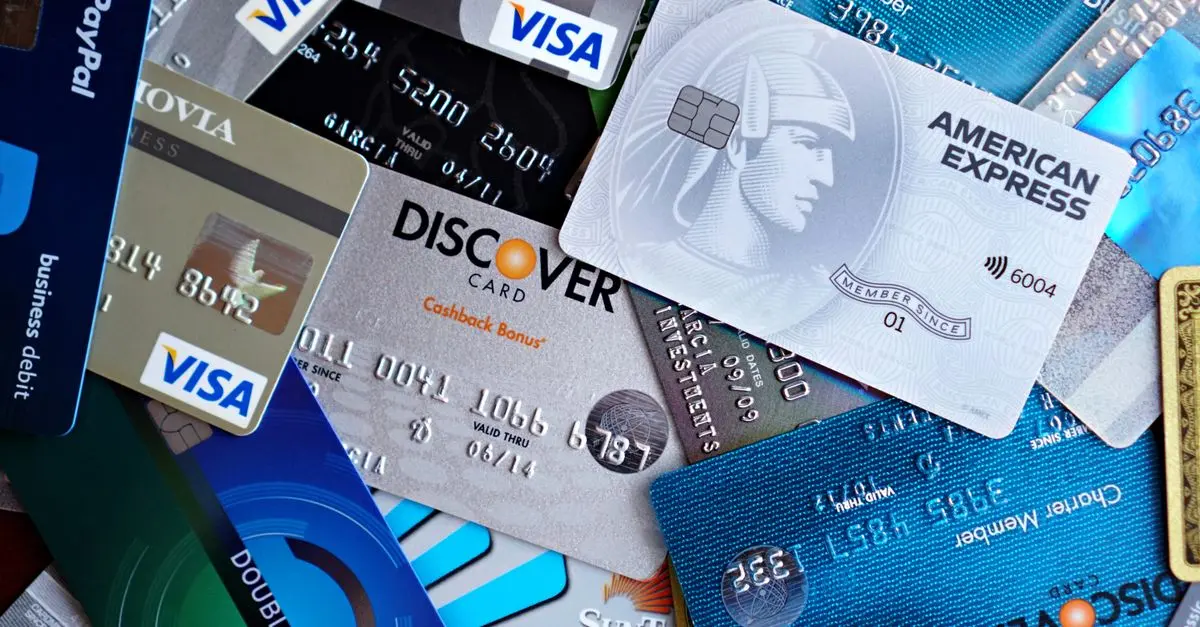
Different card companies have varying names and positions for their security codes. For Visa and MasterCard cards, the CVV2 code is typically a three-digit number printed on the back of the card, right next to the signature strip. On the other hand, American Express cards have a four-digit non-embossed number on the front of the card, just above the embossed card number.
These codes, regardless of their location or name, share a common goal: better verify the identity of the cardholder during non-physical transactions. Due to their importance, financial institutions are investing in advanced encryption technologies to protect these codes from theft. Always ensuring that you are using a secure and verified site during online transactions can further improve your security.
How to Use Credit Card Security Codes
- Locate the Security Code: Before making any online purchase, identify where the security code is located on your card, whether at the back or front, depending on the card type you own.
- Purchase on Secure Sites: Always shop on websites that you trust, ensuring they use secure HTTPS protocols. Look for web addresses beginning with 'https://' indicating data encryption, which preserves your information from unauthorized access.
- Regular Monitoring: Regularly monitor your account statements and notifications for any suspicious activity. Report any discrepancies immediately to your financial provider.
- Update Your Anti-Virus Software: Keep your computer and devices up-to-date with the latest security patches and anti-virus software to thwart potential malware attacks that could aim to steal your information.
- Keep Security Codes Private: Never share your security codes through emails or messages, especially on platforms that could be vulnerable to phishing scams or cyber attacks.
📺 Resource Video
> 📺 For further understanding: How Security Codes Protect Transactions, a detailed analysis of card security measures. Search on YouTube: "credit card security codes explained 2026".
Comparing Different Card Providers
| Provider | Security Code Name | Number of Digits | Location |
|---|---|---|---|
| Visa | CVV2 | 3 | Back |
| MasterCard | CVC2 | 3 | Back |
| American Express | CID | 4 | Front |
| Discover | CID/CAV2 | 3 | Back |
Statistics and Trends
According to Statista, online transactions are expected to surpass $6.5 trillion globally by 2026. Alongside increased e-commerce activities, the need for enhanced security becomes even more critical. A study by Javelin Strategy & Research indicated that in 2023, fraud incidents where no security code was used were eight times higher than those where the code was an integral part of the transaction.
FAQs
- What is a credit card security code, and where is it located?
Credit card security codes are three or four-digit numbers used for additional verification in non-physical transactions. They're usually found on the back of most cards, except for American Express, where it is on the front.
- Do all transactions require a security code?
Not all transactions require security codes; only card-not-present transactions like online shopping or phone orders typically necessitate it.
- Can security codes prevent all types of credit card fraud?
While they add an additional security layer, security codes alone cannot prevent all types of fraud. They should be used along with other security practices like monitoring transactions and ensuring website security.
- If my card security code is compromised, what should I do?
Report the incident immediately to your card issuer to block potential unauthorized transactions and get guidance on the next steps for securing your account.
Glossary
| Term | Definition |
|---|---|
| CVV | Card Verification Value, used for online and phone card verification. |
| CVC | Card Verification Code, another name for CVV, depending on issuer. |
| CID | Card Identification Number, used primarily by American Express. |
Checklist for Secure Online Transactions
- [ ] Verify the security certificate of the website.
- [ ] Use strong, unique passwords for online accounts.
- [ ] Regularly update anti-virus and malware software.
- [ ] Monitor your account statements regularly.
- [ ] Never share your card info over unsecured communication platforms.
🧠 Quiz rapide : What is the typical length of a credit card security code?
- A) 2 Digits
- B) 3 to 4 Digits
- C) 5 Digits
Réponse : B — Credit card security codes are typically 3 to 4 digits long.