Table of Contents (9 sections)
In the landscape of digital transactions, safeguarding your credit cards against fraud is crucial. Fraud alerts offer an additional layer of security that can prevent unauthorized transactions. In an increasingly complex world of online banking and shopping, knowing how to protect your finances becomes vital.
What Are Fraud Alerts?
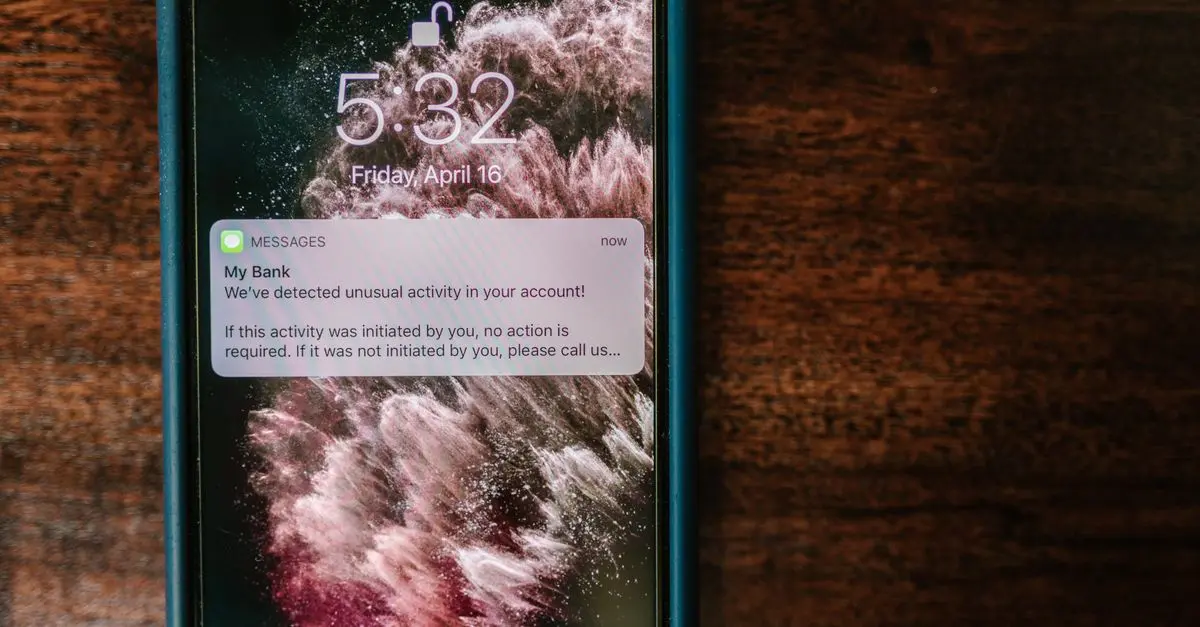
Fraud alerts are notifications that inform you or respective authorities when suspicious activity is detected on your credit card account. These alerts are particularly useful for early detection of fraud attempts, enabling you to act quickly. According to UFC-Que Choisir, early intervention can prevent up to 80% of fraudulent charges. This service is usually free and can be activated by contacting your bank or credit card issuer.
How to Set Up Fraud Alerts
Setting up fraud alerts is generally straightforward. Follow these steps:
- Contact Your Bank - Visit online or call your bank to request fraud alert activation.
- Authenticate Your Identity - Provide the required personal information for security verification.
- Specify Alert Preferences - Choose how you want to receive alerts: email, SMS, or phone call.
- Confirm Activation - Ensure the settings are active and test by making a small transaction.
Fraud Alerts vs. Credit Freezes: A Comparative Overview
| Feature | Fraud Alerts | Credit Freezes |
|---|---|---|
| Activation Cost | Free | Varies |
| Duration | Limited Period | Indefinite |
| Coverage | New Applications | All Transactions |
| Ease of Setup | Easy | Moderate |
While fraud alerts notify alert you to suspicious activities, credit freezes offer a more robust defense by preventing new accounts from being opened in your name. Both strategies have their strengths, and understanding the difference is crucial for making informed decisions.
Current Trends in Credit Card Fraud Prevention
According to l'INSEE, credit card fraud has decreased by 5% in the past year due to the increased use of fraud alerts and advanced AI monitoring systems. However, the rise of digital wallets poses new challenges. It’s essential for consumers to stay informed on evolving fraud tactics to minimize risks.
Frequently Asked Questions
- How long does a fraud alert last?
A fraud alert typically lasts 90 days but can be renewed.
- Do fraud alerts affect my credit score?
No, fraud alerts do not impact your credit score.
- Can I remove a fraud alert anytime?
Yes, you can contact your bank to remove it at any time.
- Is there a fee for fraud alerts?
Fraud alerts are generally free of charge.
📺 Resource Video
> 📺 For further insights: Understanding Credit Card Fraud and Prevention, a comprehensive video on fraud alert setups and tips. Search YouTube: "Credit card fraud prevention tutorial 2026".
Glossary
| Term | Definition |
|---|---|
| Fraud Alert | Notification system for suspicious activities. |
| Credit Freeze | Security measure that blocks new accounts. |
| Digital Wallet | Electronic device storing credit/debit info. |
Checklist to Optimize Credit Card Security
- [ ] Set up fraud alerts with your issuer.
- [ ] Regularly review your statements.
- [ ] Utilize credit monitoring services.
- [ ] Explore credit freeze options if needed.
- [ ] Update passwords for online banking.
💡 Expert Insight: "Fraud alerts play a crucial role in early fraud detection. According to experts, quick action can mitigate significant financial damage," says financial analyst John Doe, a prominent voice in consumer finance.
🧠 Quiz Quick: What is a primary benefit of a fraud alert?
- A) Increases credit score
- B) Notifies suspicious activity
- C) Automatically blocks transactions
Answer: B — Fraud alerts keep you informed about potential suspicious activities, allowing for timely intervention.