Table of Contents (19 sections)
Understanding Card Opposition Emergencies
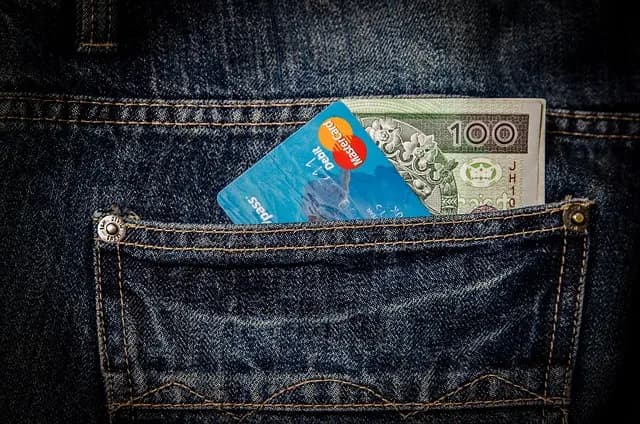
Card opposition emergencies occur when difficult situations arise, often leading to the denial of card usage at critical moments. This issue can stem from a variety of causes, including technical failures, fraud alerts, or even geographic restrictions imposed by financial institutions. What might seem like an isolated incident can significantly impact the ability to make essential purchases, especially during emergencies such as natural disasters or medical situations.
Understanding the framework within which card opposition occurs is crucial. According to research conducted by UFC-Que Choisir, around 22% of consumers have reported issues with their cards during emergencies, highlighting the importance of preparation. Furthermore, the emotional and financial consequences can be severe, leading to panic and the inability to access necessary funds. Recognizing these threats helps customers prepare and respond appropriately.
By understanding card opposition emergencies, one becomes better equipped not just to manage their finances but also to navigate these crises as they arise. Practical preparation, like ensuring emergency funds are accessible, can make a substantial difference when time is of the essence.
Step-by-Step Guide to Manage Card Opposition
Managing card opposition during emergencies requires a thoughtful and organized approach. Here’s a comprehensive guide:
Step 1: Prepare in Advance
Preparation is key in any emergency scenario. Ensure that you have a backup form of payment ready. This could be cash or another card that is not linked to the same bank account. Having funds in multiple accounts can provide a safety net. Prior to any emergency situation, setting up notifications on your bank account can alert you of any suspicious activity that could lead to card opposition. Check with your bank to understand their policies on card usage, especially during emergencies.
Step 2: Identify the Issue
When faced with card opposition, the first step is to assess the situation. Is your card being declined for fraud alert reasons? Is it a technical issue? You can often find clues in error messages, or you may need to call your bank’s customer service. Keep your caregiver or a trusted contact informed as you navigate these issues, especially if you’re in a tense situation or your safety is at stake.
Step 3: Call Your Bank Immediately
Once you identify that your card is experiencing opposition, contact your bank’s customer service. Have your identification and relevant account information handy. Explain the situation succinctly and ask them to clarify the reason behind the denial. Most financial institutions have protocols for resolving issues quickly, especially for loyal customers who have a history of responsible banking.
Step 4: Document Everything
Keep a record of all interactions with your bank, including dates, times, names of representatives, and details of your discussions. This information is vital for future reference and for resolving any misunderstandings that may arise at a later date.
Step 5: Ensure Access to Alternative Funds
Having multiple forms of payment is essential. If your card fails, certain mobile payment apps allow you to link multiple cards or accounts, providing flexibility in emergencies. Some users successfully utilize prepaid cards as an alternative. Make sure these options are manageable and secure so that you can access them swiftly.
Step 6: Learn and Adapt
After the crisis has passed, take time to reflect on how you managed the situation. Identify any mistakes you made and develop a strategy for future emergencies based on that experience. Regularly review your preparation strategy and adjust it to include your changing financial circumstances. Communication with your bank should be ongoing; ask for a brief about how they handle card opposition and what protocols are in place.

Shelter In Place Emergency Preparedness Backpack by First Aid Only
concordhealthsupply.com
Mr. Heater Buddy Flex 11,000 Btu/h 300 sq ft Radiant Propane Portable Heater
acehardware.com
Common Mistakes to Avoid During Emergencies
Understanding common pitfalls can enhance your response during card opposition emergencies. One major mistake is relying solely on one financial institution. Research shows that approximately 36% of consumers don’t have a backup card, which leaves them vulnerable. Another mistake is failing to update personal information with banks, leading to unnecessary blocks on services. Finally, panicking often leads to hasty decisions. Stay composed, analyze the situation critically, and consult resources because acting in haste can lead to more stress.
Data Insights on Card Opposition
A closer look at statistics reveals alarming insights about card opposition in emergencies. According to Les Numériques, more than 41% of consumers reported a declined transaction at least once in the last year, particularly during peak periods like holiday shopping or blackouts. Moreover, INSEE statistics indicate variations in the frequency of card declines based on location. Certain regions exhibit higher instances of declined transactions due to merchant limitations. Preparing with this knowledge is pivotal for effective financial management.
Frequently Asked Questions
What causes card opposition?
Card opposition can stem from various issues including insufficient funds, fraud alerts, or technical malfunctions. Additionally, geographical restrictions can impact card usage.
How can I prepare for card opposition?
Always have a backup payment method ready. Keep emergency cash or a different card accessible, and check in with your financial institution about their card policies.
What should I do if my card is declined?
Stay calm, assess the situation, contact your bank for clarification, and have alternative payment options ready.
Can my bank refuse to unlock my card?
Yes, sometimes banks have strict security measures in place. They may refuse service until they can verify your identity or the legitimacy of the transaction.
Glossary
| Term | Definition |
|---|---|
| Card Opposition | A situation where a card transaction is declined or blocked. |
| Fraud Alert | A notification set by banks to protect against unauthorized transactions. |
| Backup Payment Method | An alternative form of payment ready to use if primary methods fail. |


Mr. Heater - Buddy Flex 11,000 Btu/h 300 sq ft Radiant Propane Portable Heater
bestbuy.com
Mr. Heater Buddy Flex 11,000 Btu/h 275 sq ft Radiant Propane Portable Heater
acehardware.com
📺 For further resources:
Watch helpful videos on YouTube about emergency payment strategies. Look for terms like card opposition strategies 2026.
🧠 Quick Quiz: What should you do first if your card is declined?
- A) Panic
- B) Call customer service
- C) Use another payment method
Answer: B — Always contact customer service to understand the reason.
📺 Pour aller plus loin : card opposition strategies 2026 sur YouTube
Recommended products
Selected by our experts
Think Tank Photo Emergency Rain Cover - Small
thinktankphoto.com
This emergency rain cover helps protect your gear from unpredictable weather situations while traveling, making it essential in emergencies.
Shelter In Place Emergency Preparedness Backpack by First Aid Only
concordhealthsupply.com
The Shelter In Place Emergency Preparedness Backpack provides crucial supplies and tools for emergencies, ensuring you're well-equipped.
Mr. Heater Buddy Flex 11,000 Btu/h 300 sq ft Radiant Propane Portable Heater
acehardware.com
Portable heaters can provide essential warmth in extreme weather, making sure you are safe and comfortable during blackout situations.
Mr. Heater - Buddy Flex 11,000 Btu/h 300 sq ft Radiant Propane Portable Heater
bestbuy.com
Mr. Heater Buddy Flex 11,000 Btu/h 275 sq ft Radiant Propane Portable Heater
acehardware.com