Table of Contents (15 sections)
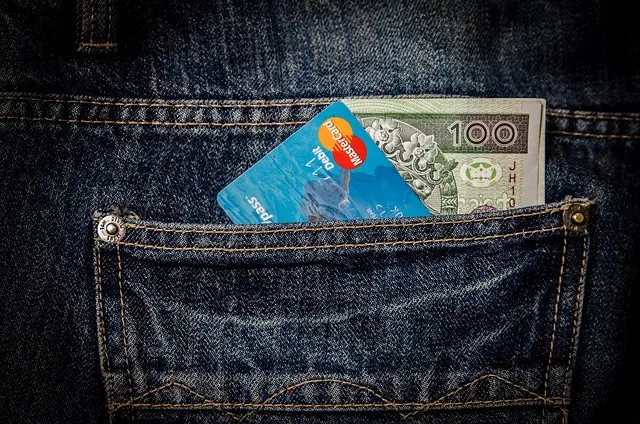
Having your credit card lost or stolen can be a distressing experience, especially during emergencies. Knowing how to block your credit card swiftly can save you from unauthorized transactions and financial stress. In this article, we'll walk through the essential steps to block your credit card, ensuring your personal finances remain secure during unexpected situations.
What Does It Mean to Block a Credit Card?
Blocking a credit card refers to the process of disabling it to prevent any transactions. This is typically necessary when a card is lost, stolen, or if there's any suspicion of fraud. According to UFC-Que Choisir, about 1 in 5 consumers have experienced issues related to credit card fraud at some point, making it vital to understand how to take protective measures quickly. The consequences of failing to block your card could lead to unauthorized purchases and identity theft, potentially costing you hundreds or thousands of dollars.
Why is Blocking Your Card Important?
In an age where digital transactions dominate, the reliance on credit cards also brings significant risks. Every year, there are millions of reported cases of credit card fraud. In 2025 alone, losses from fraudulent transactions reached over $32 billion in the U.S. If you ever find yourself facing such an unfortunate event, knowing how to block your credit card swiftly will be crucial in mitigating losses and protecting your financial reputation. Additionally, blocking your card can help safeguard your credit score, as unauthorized charges can negatively impact your credit utilization rate.
Step-by-Step Guide: How to Quickly Block Your Credit Card in Emergencies
- Contact Your Bank Immediately
- As soon as you realize your credit card is lost or stolen, reach out to your bank or credit card issuer. Most institutions have a dedicated fraud department that operates 24/7. For instance, American Express offers a hotlines available to assist customers in emergencies at any hour. Be prepared to provide information such as your full name, card number, and any relevant identifying information.
- Use Your Banking App
- Many banks now offer mobile applications that allow you to manage your accounts directly from your smartphone. In the app, look for an option like "Manage Cards" or "Report Loss/Theft." According to a survey by Statista in 2025, over 60% of consumers utilize banking apps to perform such urgent tasks, highlighting the convenience these services bring.
- Follow Up with Written Communication
- After notifying your bank by phone, it's good practice to send a follow-up written communication via email or through the bank's secure messaging system. This creates a paper trail documenting your request to block the card, in case you need to dispute any unauthorized transactions later.
- Monitor Your Accounts Post-Block
- Keep a close eye on your account statements and transaction history after blocking your card. Ensure there are no unauthorized charges during the period prior to blocking your card. If any suspicious activity is found, report it immediately.
- Request a New Card
- Don’t hesitate to request a new card be issued to you. Most institutions will send a new card to your registered address. This is also a good time to update any automatic payments linked to the old card, so you don’t miss any service interruptions.
Common Mistakes to Avoid
- Not Acting Quickly Enough: Delaying the blocking process puts you at risk of further unauthorized charges.
- Not Keeping Contact Information Handy: Ensure you have the customer service numbers saved or easily accessible in your device for quick reference during emergencies.
- Ignoring Account Monitoring: Failing to monitor accounts after blocking the card can lead to unreported fraudulent charges.


Tips for Future Prevention
- Use Alerts: Set alerts in your banking app for transactions over a certain amount. This way, you can quickly recognize unauthorized charges and take swift action.
- Consider an RFID Wallet: Protect your cards from skimmers, which can capture your card information without physical access.
- Keep Your Cards in a Secure Place: Avoid leaving your credit cards in easily reachable spots and use a safe place for storage at home.
Checklist Before You Block Your Credit Card
- [ ] Confirm you've lost your card or it's been stolen.
- [ ] Contact your bank's customer service immediately.
- [ ] Prepare to provide necessary identification.
- [ ] Follow up with written confirmation of the blockage.
- [ ] Monitor your banking activity going forward.
Frequently Asked Questions
How long does it take to block a credit card?
Blocking a credit card is typically instantaneous once you notify your bank. However, some institutions may take a few hours to fully process the safe block of your account.
Can I still access my account online after blocking my card?
Yes, you can still access your online banking account. Blocking your card does not affect your access to view your account balance or recent transactions.
What should I do if unauthorized charges occur after I've blocked my card?
You should immediately report any unauthorized charges to your bank. Most institutions will help you investigate and may issue a refund.
Is it possible to block a card temporarily?
Most banks now allow users to temporarily freeze their credit card through their mobile app without fully blocking it. This feature is useful if you misplace your card.
Conclusion
Navigating the process of blocking your credit card during emergencies is crucial for maintaining financial security. By acting quickly, utilizing available technology, and following the steps above, you can effectively manage and mitigate the impact of a lost or stolen card. Remember, being proactive is the key to protecting your finances.
💡 Avis d'expert: Un utilisateur a récemment rapporté avoir économisé des centaines de dollars simplement en bloquant son card immédiatement après avoir remarqué des charges suspectes.


Necessaire rep/rustine emergency kit 6 rustines autocollantes/grattoir (boite)
Darty FR

Glossary
| Terme | Définition |
|---|---|
| Blocking | The process of disabling a credit card to prevent use. |
| Unauthorized Charge | A transaction made without the cardholder's consent. |
| RFID | Radio-Frequency Identification used to enhance security. |
📺 Resources
📺 For further insights: Watch this video on how to secure your credit card from fraud, an informative guide on money management. Search on YouTube: credit card security tips 2026.
Recommended Products
- - - ---
📺 Pour aller plus loin : credit card security tips 2026 sur YouTube
Recommended products
Selected by our experts

Shelter In Place Emergency Preparedness Backpack by First Aid Only
concordhealthsupply.com